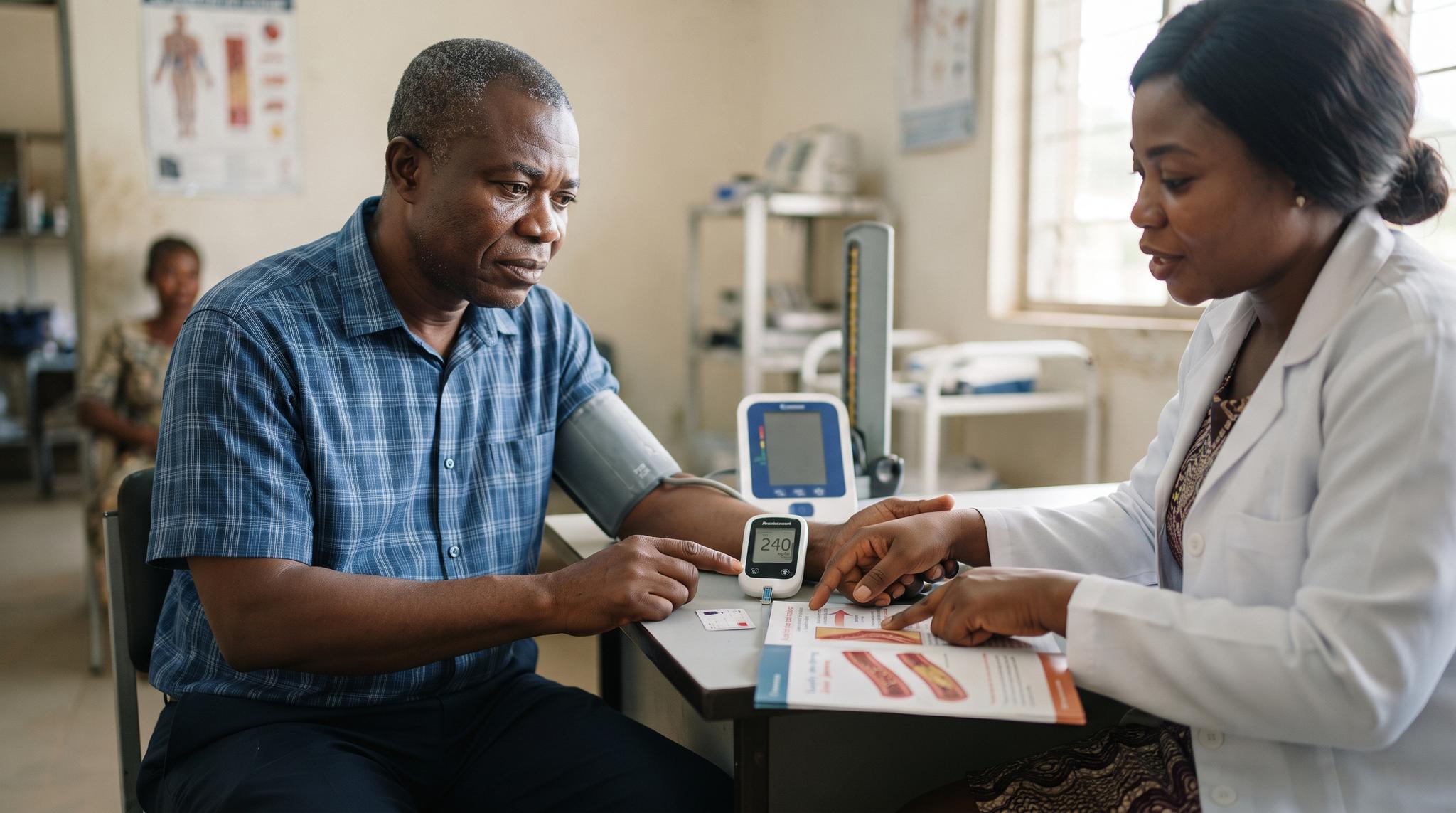
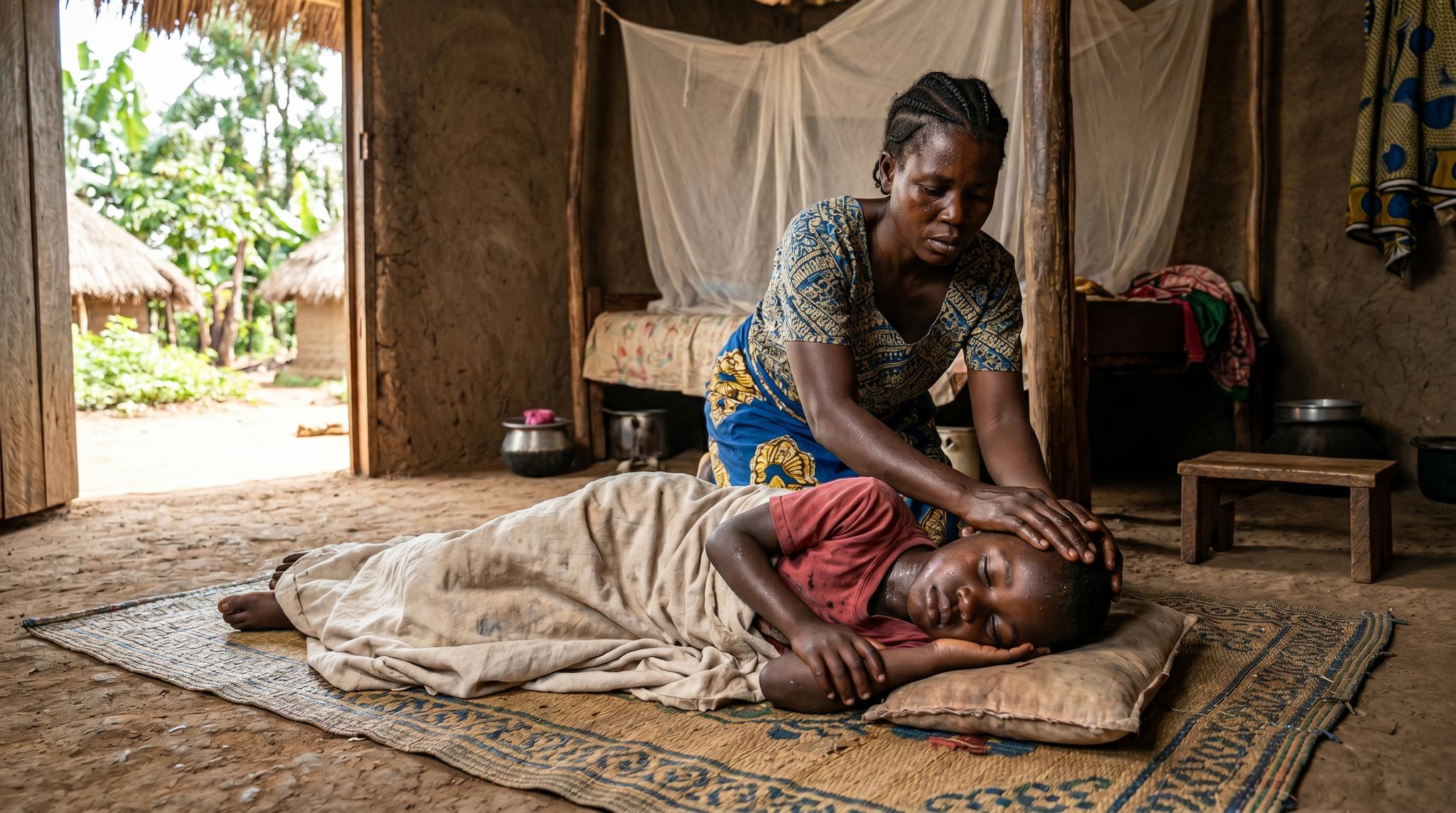
Multimorbidity is the medical term for living with two or more chronic (long-term) health conditions at the same time. Examples include, having diabetes and high blood pressure, arthritis and heart disease, or HIV alongside another chronic illness. As people live longer and lifestyles change, multimorbidity is becoming increasingly common worldwide, including in Kenya. Managing multiple conditions can be more challenging than treating a single illness because the diseases and their treatments may affect one another.
1. What Causes Multimorbidity?
There is no single cause of multimorbidity. The risk increases with age, but it is also linked to factors such as obesity, physical inactivity, unhealthy diets, smoking, excessive alcohol use, chronic stress, family history, and limited access to healthcare.
2. What Are the Symptoms of Multimorbidity?
Symptoms vary depending on the conditions involved but may include persistent fatigue, chronic pain, difficulty breathing, reduced mobility, poor sleep, anxiety or depression, and difficulty carrying out everyday activities.
3. How Is Multimorbidity Diagnosed?
Doctors diagnose multimorbidity by identifying multiple chronic illnesses through a medical history, physical examination, and appropriate tests such as blood tests, urine tests, imaging, heart assessments, or kidney and lung function tests. They also review medications carefully because taking several medicines at once can increase the risk of side effects or drug interactions.
4. Treatment and Management
Although there is no single cure for multimorbidity, effective management can help people live healthier and more active lives. Treatment usually combines medications, regular medical reviews, healthy lifestyle changes, nutritional advice, physical activity, mental health support, and monitoring of conditions such as blood pressure, blood sugar, and cholesterol. Healthcare providers often aim to simplify treatment plans to make them easier and safer to follow.
5. Possible Complications and Prevention
Living with multiple chronic illnesses can increase healthcare costs, require frequent medical appointments, and affect both physical and emotional wellbeing. However, many complications can be reduced through healthy eating, regular exercise, maintaining a healthy weight, avoiding tobacco, limiting alcohol, managing stress, taking medications as prescribed, and attending routine health check-ups. Early diagnosis and proper management are essential to reducing complications such as heart disease, stroke, kidney failure, disability, and repeated hospital admissions.
Early diagnosis and proper management are essential to reducing complications and improving quality of life.
6. When Should You Seek Medical Advice?
Anyone living with a chronic illness should seek medical advice if they develop new symptoms, experience medication side effects, find it difficult to manage their treatment plan, or notice worsening health. Early intervention and coordinated care can improve quality of life and help people manage multiple chronic conditions more effectively.
Call To Action
Managing multiple chronic conditions is easier with the right support. Consult a licensed healthcare provider on Zuri Health today.
- Chat with us on WhatsApp
- Phone Number: +254 756 551 551
- You can also use this WhatsApp link: Click here to chat