Telemedicine and telehealth are two terms that are becoming increasingly common as technology changes how people access healthcare. From consulting a doctor through a video call to receiving health education on your phone, digital technology is making it possible to access certain healthcare services without always travelling to a hospital or clinic. However, although the terms telemedicine and telehealth are often used interchangeably, they do not mean exactly the same thing.
Understanding the difference between telemedicine and telehealth can help you make informed decisions about your healthcare, recognise the services available online, and understand when you need an in-person medical appointment. For people in Nairobi, Kenya, and elsewhere, knowing how virtual healthcare works can also make it easier to choose between an online consultation and a visit to a physical healthcare facility.
The main difference is that telemedicine generally refers to providing clinical healthcare services remotely, while telehealth is a broader term that includes telemedicine as well as other health-related services delivered using digital communication technologies. Both approaches can improve access to healthcare, although their suitability depends on the patient's needs, the services offered, and the availability of qualified healthcare professionals.
What Is Telemedicine?
Telemedicine is the delivery of clinical healthcare services to patients who are in a different location from their healthcare provider, using communication technologies such as video calls, telephone calls, secure messaging, or other digital systems. It allows healthcare professionals to assess certain symptoms, provide medical advice, discuss test results, manage some ongoing conditions, and determine whether a patient needs further examination or treatment.
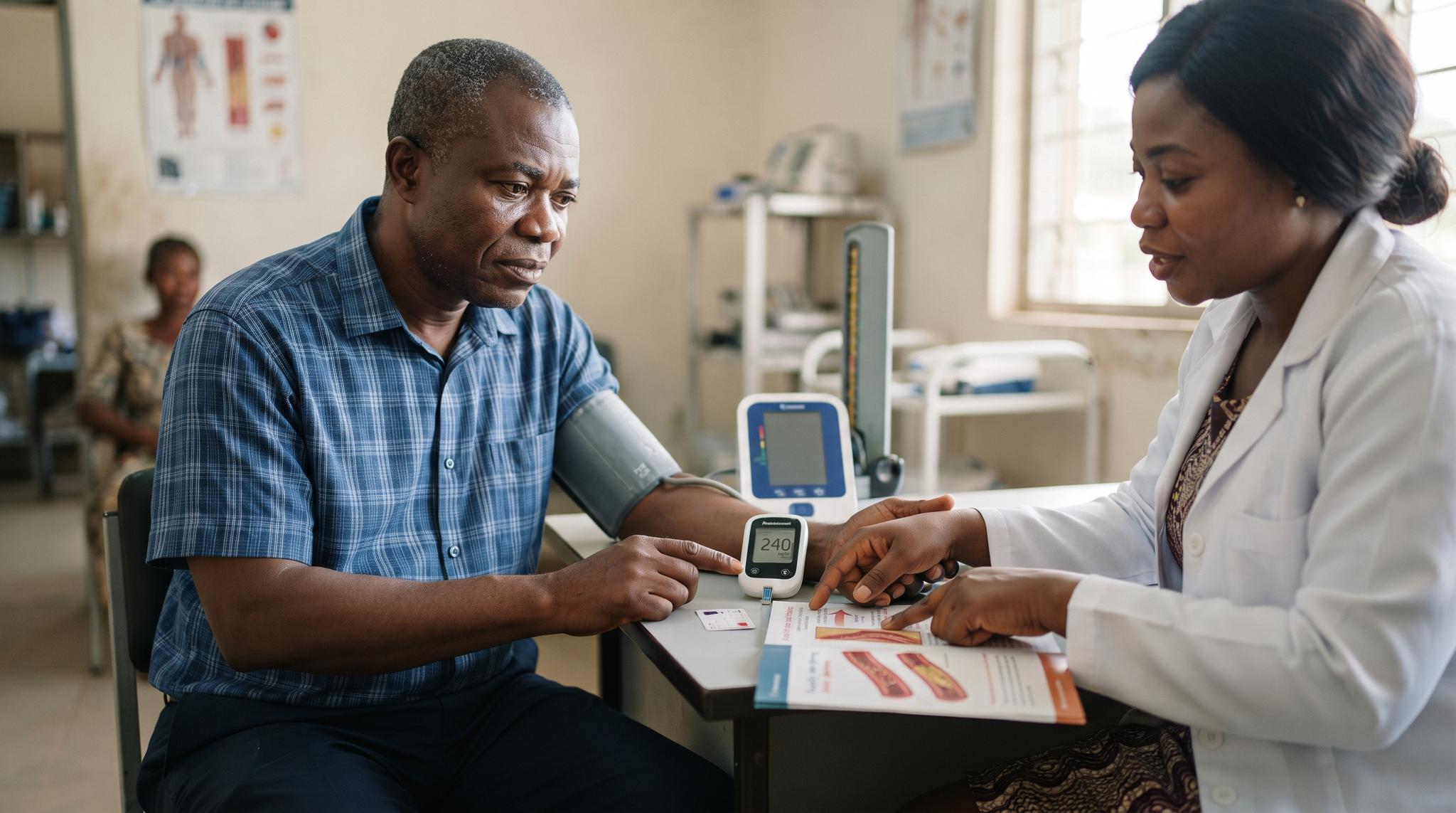
For example, imagine you have a persistent headache and want medical advice but cannot easily travel to a clinic. Through a telemedicine service, you may be able to speak to a licensed healthcare professional over a video call or telephone. The provider can ask about your symptoms, medical history, and other relevant information before recommending appropriate next steps. Depending on the situation, the provider may offer advice, prescribe medication when legally and clinically appropriate, request further investigations, or recommend an in-person examination.
Telemedicine can also support follow-up appointments for patients who have already visited a healthcare facility. A doctor may review a patient's progress, discuss treatment outcomes, explain laboratory results, or assess whether a treatment plan needs adjustment without requiring the patient to return to the clinic for every appointment.
Common examples of telemedicine include online doctor consultations, remote medical assessments, virtual follow-up appointments, specialist consultations conducted remotely, and certain forms of remote monitoring used in clinical care. These services may be provided through a healthcare website, mobile application, telephone service, or secure video consultation platform.
It is important to understand that telemedicine does not mean that every medical problem can be diagnosed or treated online. Some conditions require a physical examination, laboratory testing, imaging, or emergency treatment. A responsible telemedicine provider should recognise these limitations and refer the patient for appropriate in-person care when necessary.
What Is Telehealth?
Telehealth is a broader term that describes the use of digital communication technologies to support healthcare delivery, health education, professional training, public health activities, and other health-related services. It includes telemedicine but extends beyond direct consultations between patients and healthcare professionals.
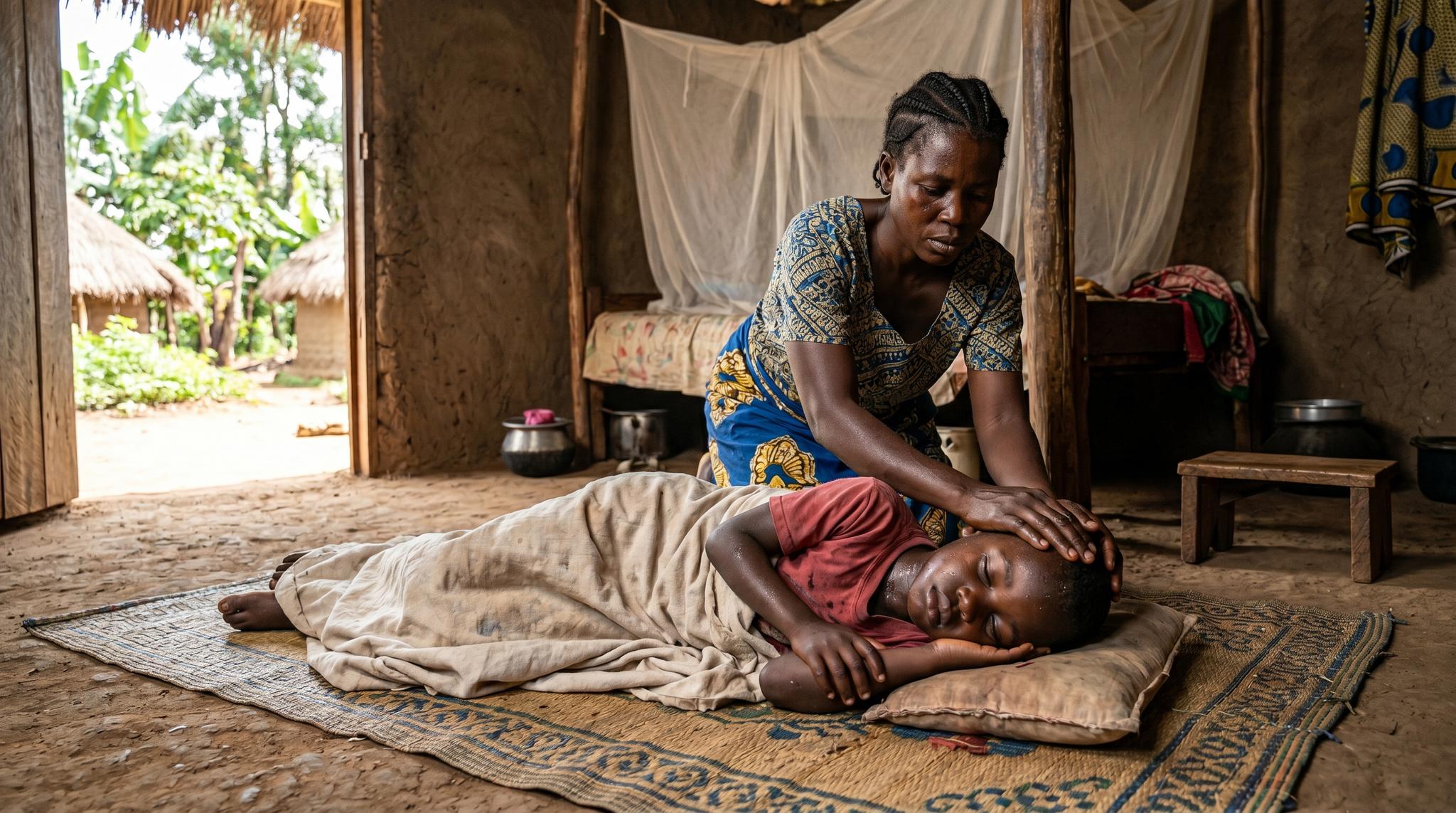
For example, a healthcare organisation might provide an online educational session explaining how to manage high blood pressure, publish digital information about preventing malaria, or offer a virtual training programme for healthcare workers. These activities may fall under telehealth even when they do not involve diagnosing a patient or providing an individual medical consultation.
Telehealth can also include remote patient monitoring, digital health education, communication between healthcare professionals, and certain administrative or support services that help people navigate healthcare. The precise scope of the term can vary between healthcare organisations and regulatory frameworks, but its central idea is the use of technology to support health and healthcare beyond the traditional physical consultation.
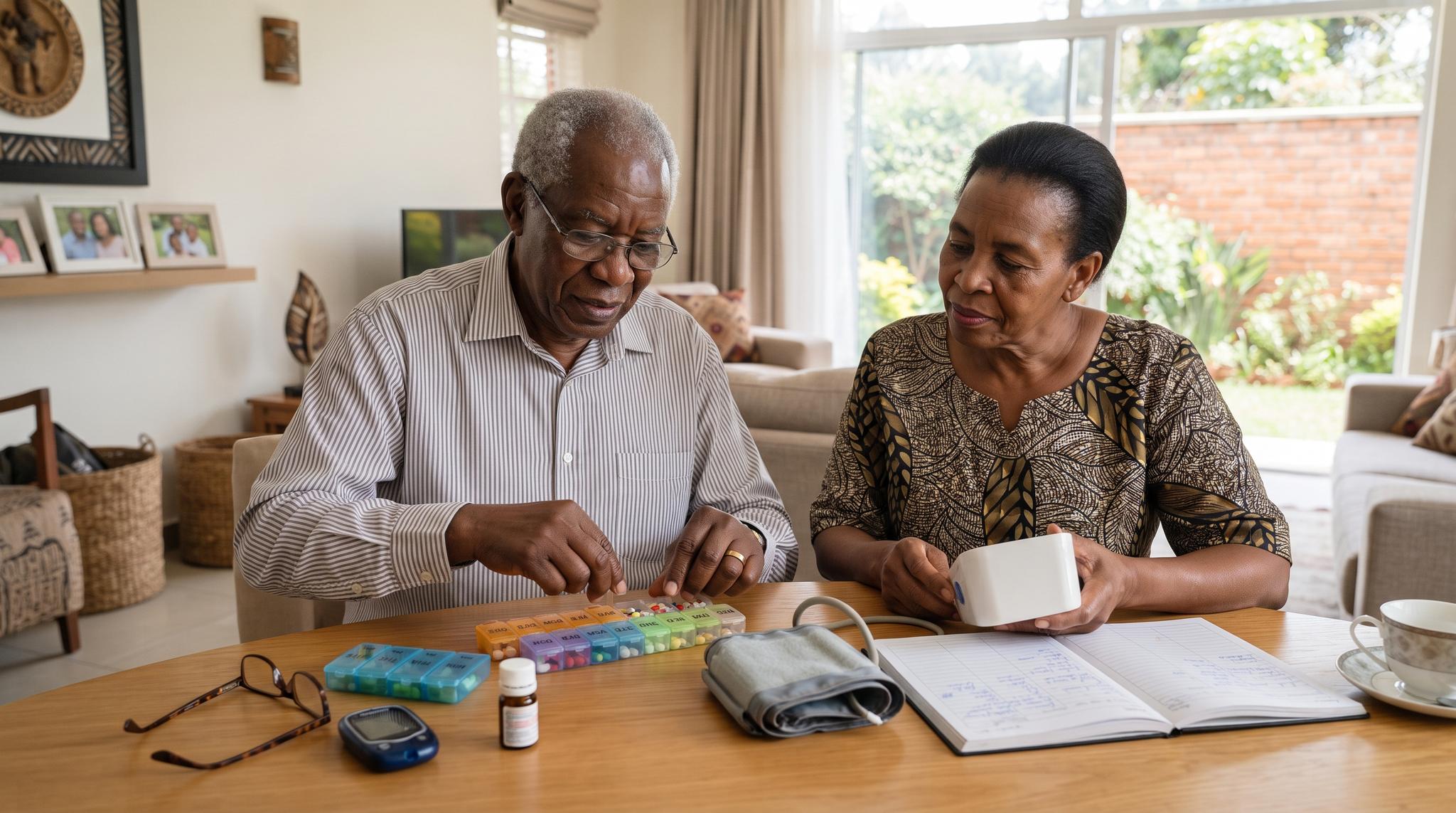
Consider a person living with diabetes who uses a digital platform to access educational information about blood glucose management, receives reminders about scheduled appointments, and participates in an online session about healthy lifestyle choices. These activities may form part of a telehealth programme. If that person subsequently has a video consultation with a doctor to discuss symptoms or review treatment, that clinical interaction would generally be considered telemedicine within the broader telehealth system.
Telehealth can therefore support different stages of the healthcare journey, including prevention, education, assessment, treatment, follow-up, and ongoing health management. It is not limited to situations in which a patient speaks directly to a doctor.
What Is the Difference Between Telemedicine and Telehealth?
The difference between telemedicine and telehealth comes down to the type of service being provided. Telemedicine focuses primarily on clinical care delivered remotely, while telehealth covers a wider range of clinical and non-clinical health services supported by technology.
For instance, when a patient has a virtual consultation with a doctor to discuss symptoms, that is telemedicine. When a healthcare organisation offers online health education, virtual professional training, remote monitoring, and online doctor consultations, these services can collectively fall under telehealth.
The terms are sometimes used interchangeably, and the distinction is not identical in every country or healthcare system. Nevertheless, understanding the broader meaning of telehealth and the more clinically focused meaning of telemedicine makes it easier to understand how digital healthcare services work.
Telemedicine vs Telehealth: Key Differences Explained
Telemedicine and telehealth share several similarities, but they differ in scope and purpose. Both use technology to connect people with healthcare services, reduce some barriers to accessing care, and support communication between patients and healthcare professionals.
The main distinction is that telemedicine centres on remote clinical services, such as consultations, assessment, diagnosis where possible, and treatment management. Telehealth can include all these services while also covering health education, professional development, public health communication, and other digital health activities.
Another difference is the range of people involved. Telemedicine commonly involves a patient and a healthcare professional, although consultations between healthcare professionals can also qualify. Telehealth can involve patients, doctors, nurses, other healthcare workers, educators, public health teams, and healthcare administrators.
The purpose of each service can also vary. A telemedicine appointment may help a patient understand the cause of certain symptoms or review an existing treatment plan. A broader telehealth programme may help the same patient learn how to prevent illness, understand a long-term condition, monitor relevant health measurements, and maintain contact with their healthcare team.
Neither term refers to a single technology. Both can involve smartphones, computers, telephone calls, video conferencing, secure messaging, and digital platforms. Some services also use information transmitted for later review rather than requiring a live conversation.
In practical terms, telemedicine is one part of the wider telehealth landscape. The two approaches can work together to support more accessible and coordinated healthcare.
What Are the Different Types of Telemedicine and Telehealth?
Telemedicine and telehealth services can be delivered in several ways, depending on the technology available, the patient's needs, and the healthcare provider's capabilities.
One common approach is synchronous telemedicine, which involves real-time communication between a patient and a healthcare professional. This may take place through a video call or telephone consultation. The patient can describe their symptoms, answer questions, and receive clinical guidance during the appointment.
Another approach is asynchronous telemedicine, sometimes called store-and-forward care. In this model, relevant health information is collected and securely transmitted for a healthcare professional to review later. Depending on the service, this could involve medical images, photographs of a health concern, laboratory results, or clinical records. The patient and provider do not necessarily need to be online at the same time.
Remote patient monitoring involves collecting health information outside a traditional healthcare facility and sharing it with an appropriate healthcare professional or care team. Depending on the clinical programme, this may include blood pressure readings, blood glucose measurements, heart rate, or other relevant measurements. Remote monitoring can help support ongoing care, but the information must be interpreted appropriately and does not replace every physical examination.
Mobile health, also known as mHealth, involves using mobile devices and applications to support health-related activities. Examples include appointment reminders, health education, medication reminders, and digital tools for recording relevant health information. Mobile health is often discussed as part of the wider digital health ecosystem, although its exact relationship with telehealth depends on how a particular service is defined.
Telehealth also includes virtual health education, online training for healthcare professionals, and digital public health initiatives. For example, a healthcare organisation may conduct a virtual session about malaria prevention or provide online educational material about diabetes management without delivering an individual medical consultation.
These different approaches demonstrate why telehealth is broader than telemedicine. Some services provide direct clinical care, while others help people access health information, monitor their health, or support the wider healthcare system.
What Are the Benefits of Telemedicine and Telehealth?
One of the main benefits of telemedicine and telehealth is improved convenience. Depending on the service, patients may be able to access certain healthcare services from home, work, or another suitable location rather than travelling to a healthcare facility for every appointment.
For people with busy schedules, online consultations can reduce the time spent travelling and waiting for appointments. This may be particularly helpful for routine follow-ups, selected health concerns, and discussions that do not require a physical examination.
Telemedicine may also improve access to healthcare professionals when distance, mobility difficulties, or limited availability of local specialists creates barriers. In appropriate circumstances, a patient may be able to consult a qualified professional remotely and receive guidance about the next steps in their care.
Another benefit is continuity of care. People managing long-term conditions may need regular follow-up to discuss symptoms, review test results, or assess whether their treatment is working. Remote appointments can make some of these interactions easier to arrange, although the suitability of virtual follow-up depends on the condition and the patient's clinical needs.
Telehealth can also support prevention and health education. Digital resources can help people understand common health conditions, recognise potential warning signs, learn about healthy habits, and prepare for conversations with healthcare professionals. For healthcare workers, online training and professional collaboration can help share knowledge across different locations.
In addition, remote monitoring can help care teams review selected health measurements between appointments. When appropriately designed and monitored, such services may support earlier recognition of changes that require attention.
However, the benefits are not automatic. They depend on reliable technology, access to appropriate services, qualified healthcare professionals, patient privacy, and effective arrangements for in-person assessment when required. Telemedicine and telehealth should complement suitable face-to-face healthcare rather than be treated as universal replacements for it.
What Are the Limitations of Telemedicine and Telehealth?
Despite their benefits, telemedicine and telehealth have limitations that patients should understand before choosing a virtual healthcare service.
The most important limitation is that remote consultations cannot provide every aspect of a physical examination. A healthcare professional may be unable to assess certain physical signs, perform a procedure, collect a sample, or conduct a test through a video call. Depending on the symptoms, the provider may need to arrange an in-person examination or refer the patient to another service.
Technology can also create barriers. Poor internet connectivity, limited access to a suitable device, low digital literacy, or difficulty using an application may make virtual healthcare less accessible to some people. Telephone consultations can help in certain situations, but they may not provide all the information available through video or an in-person assessment.
Privacy and data security are other important considerations. Medical information is sensitive, and patients should understand how a digital healthcare provider collects, stores, uses, and protects their information. Healthcare platforms should have appropriate safeguards, and patients should use trusted communication channels rather than sharing confidential medical information through unsuitable services.
There may also be limitations relating to cost, insurance arrangements, prescription rules, availability of laboratory tests, and the types of services a provider can offer remotely. These factors vary by country, provider, and service.
Finally, not every health concern is appropriate for a virtual appointment. Severe symptoms or suspected medical emergencies require urgent assessment through the appropriate emergency services or healthcare facility. A virtual consultation should never delay necessary emergency care.
Understanding these limitations helps patients choose the right type of healthcare and recognise when an online appointment is suitable and when physical medical attention is necessary.
Please Note: This article explains the commonly used distinction between telemedicine and telehealth. Definitions and regulatory requirements may differ across countries and healthcare systems. The information is educational and should not replace professional medical advice.
Call To Action
Your health can't wait. Book an online consultation with a licensed healthcare provider on Zuri Health to discuss your health concerns and find out what care is right for you.
Chat with us on WhatsApp
Phone Number: +254 756 551 551
You can also use this WhatsApp link: Click here to chat