
pcos nutrition guide: what to eat to balance hormones naturally
PCOS is more than just a diagnosis, it’s a delicate balance of hormones that can quietly shape how your body feels and responds. It often shows up with enlarged ovaries dotted with small cysts, influenced by a mix of genetics and lifestyle.
Studies suggest that 33–83% of women living with PCOS also struggle with weight.
Common signs you might notice include acne, excess facial or body hair, and thinning hair along the scalp.
Left unattended, this imbalance can open the door to long-term conditions like diabetes, hypertension, cardiovascular disease, and even cancer.
Think of your diet as the rhythm that keeps everything in sync.
When excess weight leads to insulin resistance, your body starts producing more insulin than it needs, which then fuels higher androgen levels like testosterone.
This makes weight management feel like an uphill climb for many with PCOS.
Foods to Eat
1. High Fiber Foods
These are your slow-burning, steady-energy foods. They gently release sugar into the bloodstream, helping avoid sharp insulin spikes.
Think wholesome grains, vibrant fruits and vegetables, crunchy nuts and seeds, and comforting root foods like sweet potatoes and arrow roots.
2. High Biological Value Protein
Lean proteins keep you satisfied for longer, helping you naturally cut back on foods that spike blood sugar.
They quietly replace highly processed carbs and sugary indulgences like juices and milkshakes that tend to disrupt balance.
3. Anti-inflammatory and Antioxidant Foods
These are your body’s calming, restorative ingredients.
Fatty fish rich in omega-3, juicy tomatoes, fresh spinach, nuts, seeds, and especially berries all help soothe inflammation and support overall balance.
Foods to Avoid
1. Refined Carbohydrates
These are the quick-hit, high-sugar foods that can throw everything off balance.
White bread, white rice, pasta, muffins, pastries, and sugary treats like ice cream and chocolate tend to worsen insulin resistance and increase inflammation.
Even hidden sugars like dextrose, high fructose corn syrup, and sucrose deserve a closer look on labels.
2. High Fat Foods
Foods rich in saturated and hydrogenated fats, like creamy dairy products and fatty red meats, can push oestrogen levels higher, worsening symptoms and encouraging weight gain.
NB: Staying active adds another layer of balance. Regular movement helps manage weight, improves insulin sensitivity, and lifts your mood by releasing feel-good chemicals.
Call To Action
Take the next move towards better PCOS management. Chat with a doctor on Zuri Health.
- Chat with us on WhatsApp
- Phone Number: +254 756 551 551
- You can also use this WhatsApp link: Click here to chat
Share this post
Latest blog posts
Tool and strategies modern teams need to help their companies grow.
Zuri Health
•
07/06/2026
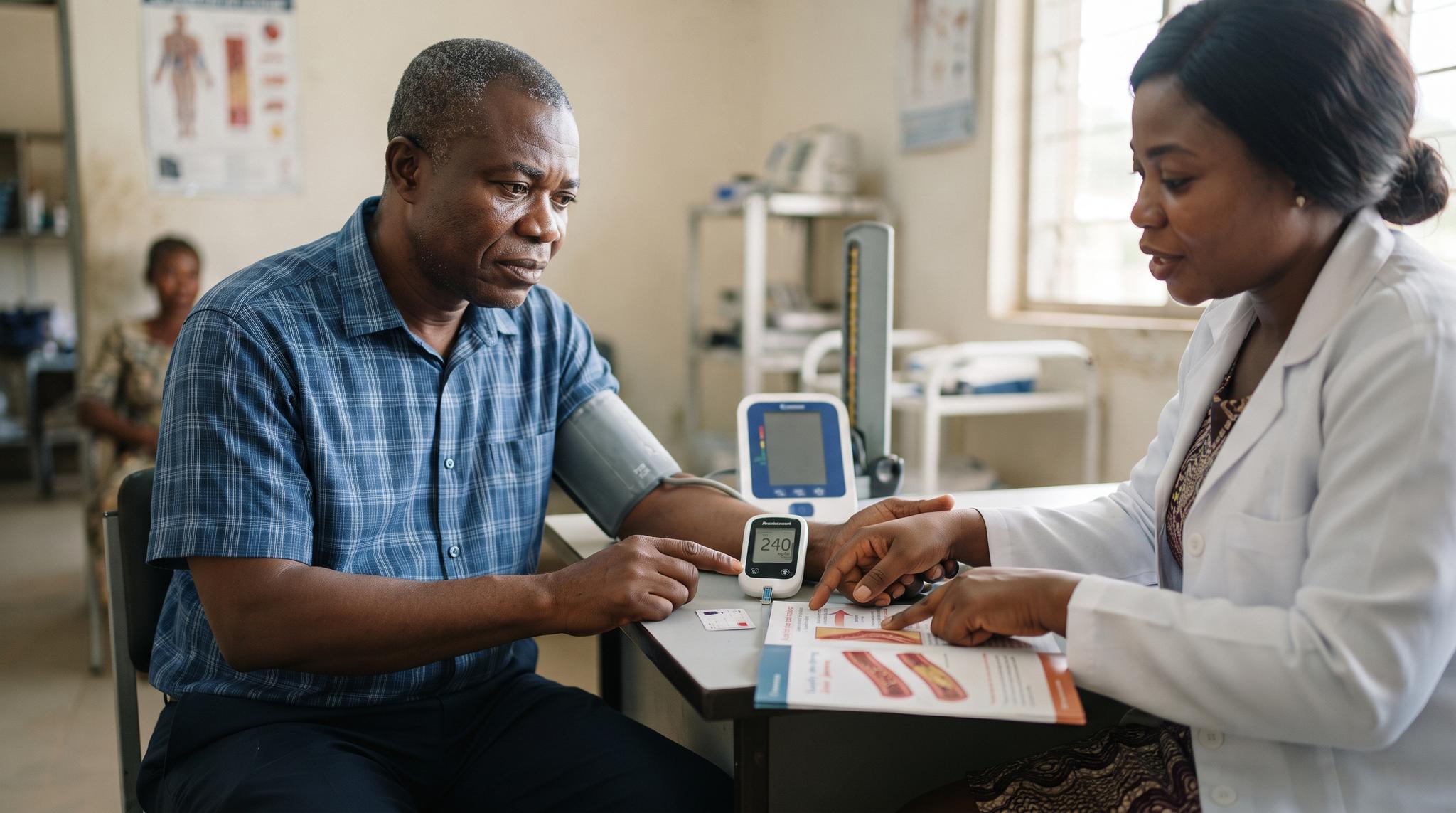
the silent threat to your heart: understanding high cholesterol
High cholesterol is a common condition in which there is too much cholesterol in the blood
health


Zuri Health
•
06/26/2026
the truth about malaria
Malaria is a serious but preventable and treatable disease caused by parasites that infect the blood.
health

Zuri Health
•
06/22/2026
understanding arthritis: types, symptoms, causes and treatment
Arthritis is a chronic condition that affects the joints, causing pain, stiffness, swelling, and difficulty moving affected joints.
health
Join Our Community 
Join our community to stay up to date on healthy living




Download Zuri App On:

