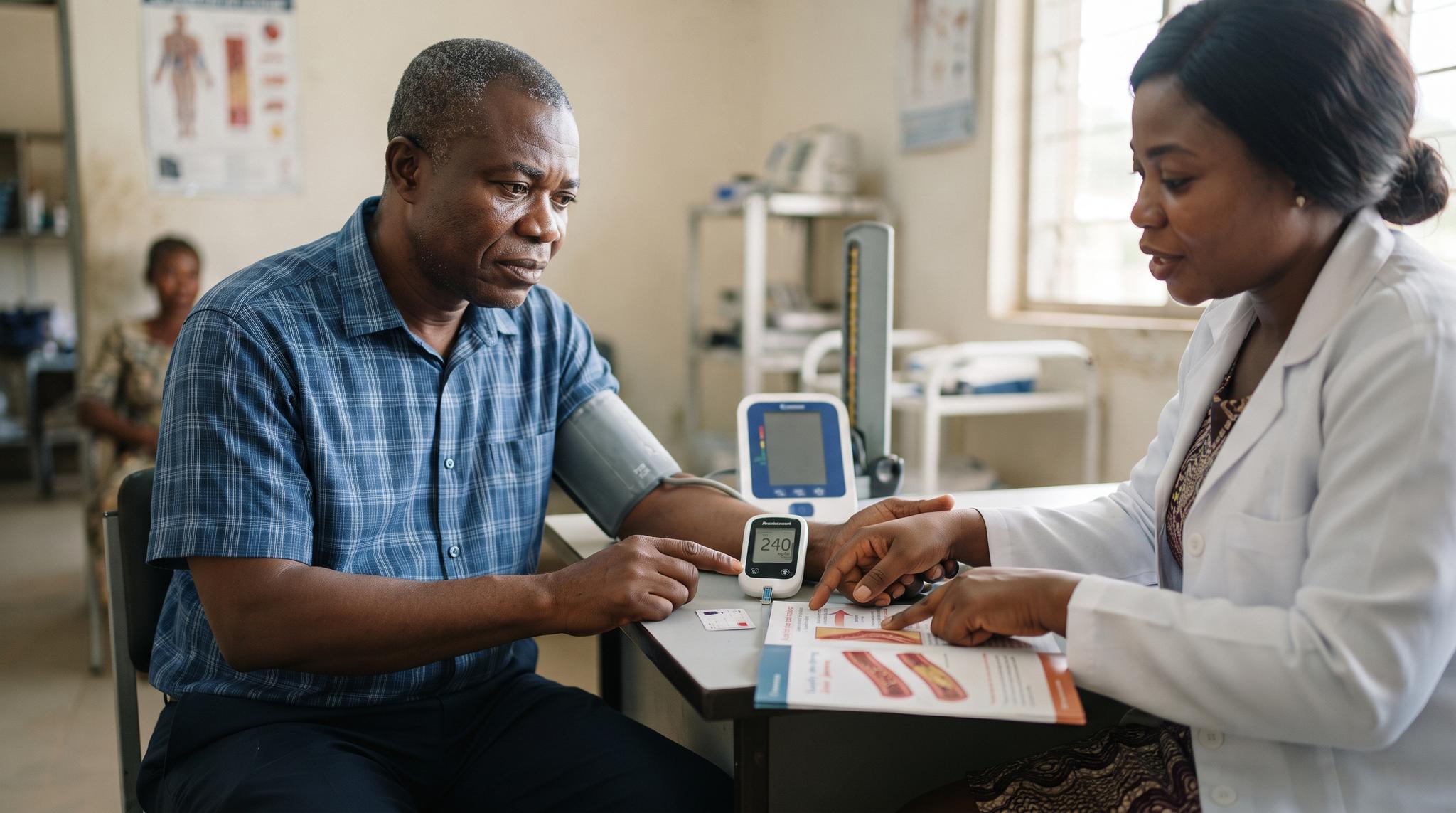
High cholesterol and high blood pressure are two major risk factors for heart disease, but the good news is that small daily lifestyle changes can make a huge difference. Nutrition, exercise, sleep, and stress management all play an important role in protecting your heart and improving your overall health.
Making healthier food choices can help lower low-density lipoprotein (LDL), often called "bad cholesterol," while supporting healthy blood pressure. Healthy habits can also help raise high-density lipoprotein (HDL), known as "good cholesterol," which helps protect your heart.
The journey to better heart health does not require extreme diets or complicated routines. Simple and consistent lifestyle adjustments can go a long way in improving your health and reducing your risk of complications.
1. Choose Healthier Fats
Saturated fats raise the levels of Low-Density Lipoprotein (LDL), often called "bad cholesterol." These fats are found in:
- Choose lean cuts of meat..
- Choose low-fat milk and other low-fat dairy products..
- Chocolate: Consume in moderation, preferably dark chocolate with a high cocoa content.
- Deep fried foods: Limit intake.
- Processed foods: Limit intake.
Trans fats are found mostly in hydrogenated oils and fats such as stick margarine, crackers, and French fries.
Healthier fats include lean meat, nuts, and unsaturated oils such as canola, olive, and safflower oils. Cook with liquid vegetable oils instead of solid fats such as butter or shortening.
2. Eat Plenty of Soluble Fiber
Foods high in soluble fibre help prevent our digestive tract from absorbing cholesterol.
- Whole-grain cereals: Grain cereals, oatmeal, and oat bran.
- Fruits: Apples, oranges, bananas, and pears.
- Legumes: Kidney beans, lentils, and chick peas.
3. Eat Lots of Fruits and Vegetables
Fruits and vegetables contain important cholesterol-lowering compounds called stanols and sterols, which work like soluble fiber and help lower LDL cholesterol levels when consumed regularly.
4. Eat Fish High in Omega-3 Fatty Acids
Omega-3 fatty acids may raise High Density Lipoproteins (HDL) and in turn lower Low Density Lipoprotein levels (LDL).
They may also protect your heart from blood clots and inflammation while reducing the risk of heart attack. Salmon, tuna, and mackerel are rich in omega-3 fatty acids.
5. Quit Alcohol
Avoid alcohol consumption.
- Alcohol contains extra empty calories, which may lead to weight gain.
- Drinking alcohol, especially in excess, can increase blood pressure, triglyceride levels, and calorie intake. Limiting or avoiding alcohol can improve heart health.
- Alcohol also increases triglyceride levels and blood pressure.
6. Quit Smoking
Smoking causes an acute increase in blood pressure and heart rate. Quitting smoking can improve overall heart and lung health while lowering your risk of cardiovascular disease.
7. Increase Physical Activity
Engaging in aerobic exercises lowers blood pressure and improves heart health.
- Jogging
- Cycling
- Swimming
- Dancing
HIIT (High Intensity Interval Training) involves short bursts of intense activity with periods of lighter activity and can also support cardiovascular fitness.
8. Reduce Salt (Sodium) in Your Diet
The ideal sodium limit should be 1500mg with a minimum of 1000mg.
Reducing salt intake lowers your risk of heart disease by helping control blood pressure in both high cholesterol and hypertensive patients.
- Read food labels: Look for low sodium versions of foods and beverages.
- Eat fewer processed foods: Most sodium is added during food processing.
- Do not add extra salt: Use herbs and spices to add flavor to food.
- Cook your salt: Cooking at home helps you control the amount of sodium in your meals.
9. Get a Good Night’s Sleep
- Stick to a sleep schedule.
- Create a restful space.
- Watch what you eat before bed: Do not go to bed hungry or overly full.
- Limit daytime naps to improve nighttime sleep quality.
10. Reduce Stress
- Avoid trying to do too much.
- Focus on issues you can control and make plans to solve them.
- Avoid stress triggers.
- Make time to relax.
Small daily changes can have a major impact on your cholesterol levels, blood pressure, and overall heart health. Healthy eating, regular exercise, proper sleep, and stress management all work together to keep your heart strong and healthy.
If you are concerned about your cholesterol levels or blood pressure, do not ignore the warning signs. Regular check-ups and early intervention can help prevent serious health complications.
Call To Action
Take charge of your heart health today with Zuri Health.
- Chat with us on WhatsApp
- Phone Number: +254 756 551 551
- You can also use this WhatsApp link: Click here to chat