
are you getting enough sleep? discover the signs and simple solutions
Are You Getting Enough Sleep? Discover the Signs and Simple Solutions
Introduction: Are You Really Resting Enough?
Waking up groggy, irritable, or still exhausted after a full night's sleep? You're not alone. In today's fast-paced world, sleep deprivation has become a silent epidemic affecting millions across Africa and beyond. Whether you're a busy professional, a parent juggling responsibility, or a student burning the midnight oil, your body may be sending you signals that you're not getting enough rest.
This lifestyle guide explores the key signs of sleep deprivation, offers science-backed solutions, and explains why prioritizing sleep is critical to your health and wellness. Plus, we'll show you how Zuri Health can support your journey to better sleep.
Why Sleep Matters More Than You Think
Sleep is not just "rest." It's when your brain resets, your immune system strengthens, and your body repairs itself. Without it, everything from memory to immunity and mood can suffer.
Benefits of Good Sleep:
- Enhances memory and focus
- Boosts immune function
- Balances mood and reduces anxiety
- Regulates appetite and weight
- Improves heart and metabolic health
In fact, chronic sleep deprivation has been linked to diabetes, obesity, depression, and even stroke. So, if you're cutting corners on rest, you're cutting into your long-term health.
Common Signs You're Not Getting Enough Sleep
Not sure if your sleep is affecting your health? Here are clear signs you might be sleep-deprived:
1. Daytime Fatigue
- Constant yawning
- Trouble staying awake in meetings or while driving
2. Irritability and Mood Swings
- Snapping at minor annoyances
- Feeling overwhelmed or low for no reason
3. Difficulty Concentrating
- Forgetting things often
- Struggling to stay focused at work or school
4. Frequent Illnesses
- Getting colds or infections more than usual
5. Weight Gain or Poor Appetite Control
- Craving sugar and carbs constantly
- Skipping meals or overeating
6. Poor Skin and Premature Aging
- Dark under-eye circles
- Dry, dull skin
How Much Sleep Do You Really Need?
According to Sleep Foundation, here's what science recommends:
| Age Group | Recommended Sleep |
|---|---|
| Adults (18–64) | 7–9 hours |
| Teens (13–17) | 8–10 hours |
| Children (6–12) | 9–12 hours |
| Older adults (65+) | 7–8 hours |
Are you meeting your age group's recommendation?
Practical Solutions for Better Sleep
The good news? Sleep quality can be improved naturally, no pills required.
Create a Sleep-First Environment
- Dark, quiet, and cool rooms encourage deeper sleep.
- Use blackout curtains and switch off electronic devices.
Stick to a Sleep Schedule
- Go to bed and wake up at the same time, even on weekends.
- This strengthens your internal clock (circadian rhythm).
Ditch the Screens Before Bed
- Blue light from phones and TVs disrupts melatonin.
- Try reading or meditating instead.
Eat and Drink Wisely
- Avoid caffeine and heavy meals before bedtime.
Relax Your Body and Mind
- Practice breathing exercises, prayer, or yoga before bed.
- Apps like Calm or Headspace offer guided sleep meditations.
When to Seek Medical Help
If you've tried sleep hygiene tips and still feel exhausted, you may be facing a deeper issue like:
- Sleep apnea (breathing interruptions during sleep)
- Insomnia
- Depression or anxiety-related sleep loss
- Hormonal imbalances
This is where Zuri Health can help. Our licensed doctors offer virtual consultations, personalized sleep assessments, and treatment plans tailored to your needs.
Book a virtual consultation now or call +254 756 551 551.
FAQs: Answers to Common Sleep-Related Questions
1. How do I know if I'm sleep-deprived?
A: If you feel drowsy during the day, need caffeine to function, or fall asleep within minutes at night, you're likely not sleeping enough.
2. Can napping make up for lost sleep?
A: Short naps (20–30 minutes) can help, but they don't fully replace the benefits of deep, continuous nighttime sleep.
3. Is it bad to sleep too much?
A: Yes, oversleeping (over 9–10 hours daily) can be linked to depression, heart disease, and low energy levels.
4. Does exercise improve sleep?
A: Yes! Regular physical activity can help you fall asleep faster and enjoy deeper sleep. Just avoid intense workouts right before bed.
5. Can stress affect my sleep?
A: Absolutely. Stress increases cortisol, a hormone that keeps you alert. Relaxation techniques can help lower stress before bedtime.
Conclusion: Sleep Isn't a Luxury, It's a Health Priority
Poor sleep isn't just a nuisance, it's a health risk. Whether you're dealing with stress, screen overload, or lifestyle changes, recognizing the signs of sleep deprivation and applying practical solutions is the first step to reclaiming your energy and well-being.
If you're still struggling to sleep well, don't ignore it.
Prioritize Your Sleep, Prioritize Your Life
Visit our website: www.zuri.health
Call us today: +254 756 551 551
Book a virtual consultation and get real answers from real doctors.
Share this post
Latest blog posts
Tool and strategies modern teams need to help their companies grow.
Zuri Health
•
07/06/2026
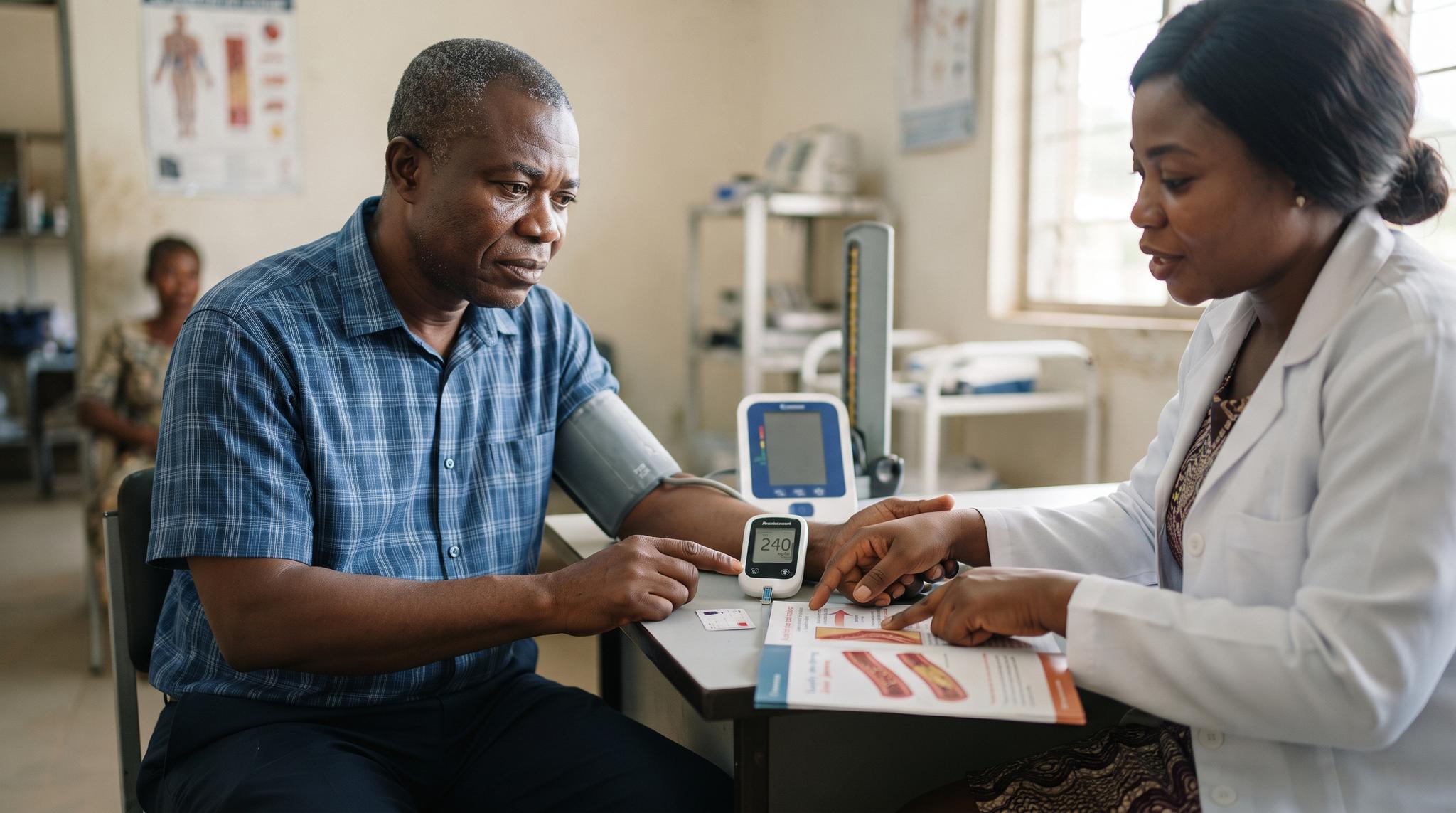
the silent threat to your heart: understanding high cholesterol
High cholesterol is a common condition in which there is too much cholesterol in the blood
health

Zuri Health
•
06/26/2026
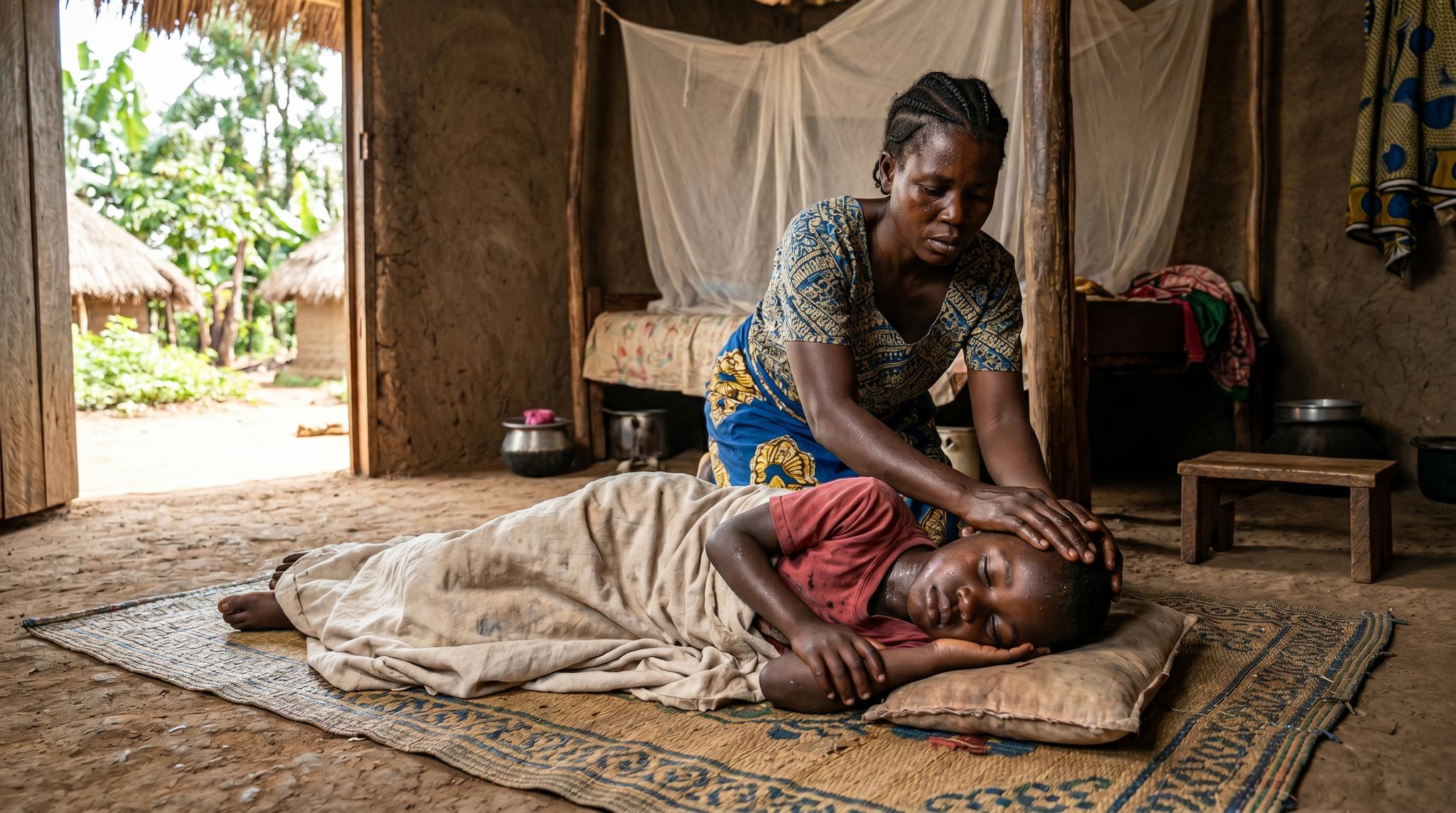
the truth about malaria
Malaria is a serious but preventable and treatable disease caused by parasites that infect the blood.
health

Zuri Health
•
06/22/2026
understanding arthritis: types, symptoms, causes and treatment
Arthritis is a chronic condition that affects the joints, causing pain, stiffness, swelling, and difficulty moving affected joints.
health
Join Our Community 
Join our community to stay up to date on healthy living



Download Zuri App On:

